SpaceX Smashes Record With Back-to-Back Falcon 9 Launches in One Day
Published: August 16, 2026 | Reading Time: 5 min | Trending: SpaceX Falcon 9 Rocket Launch
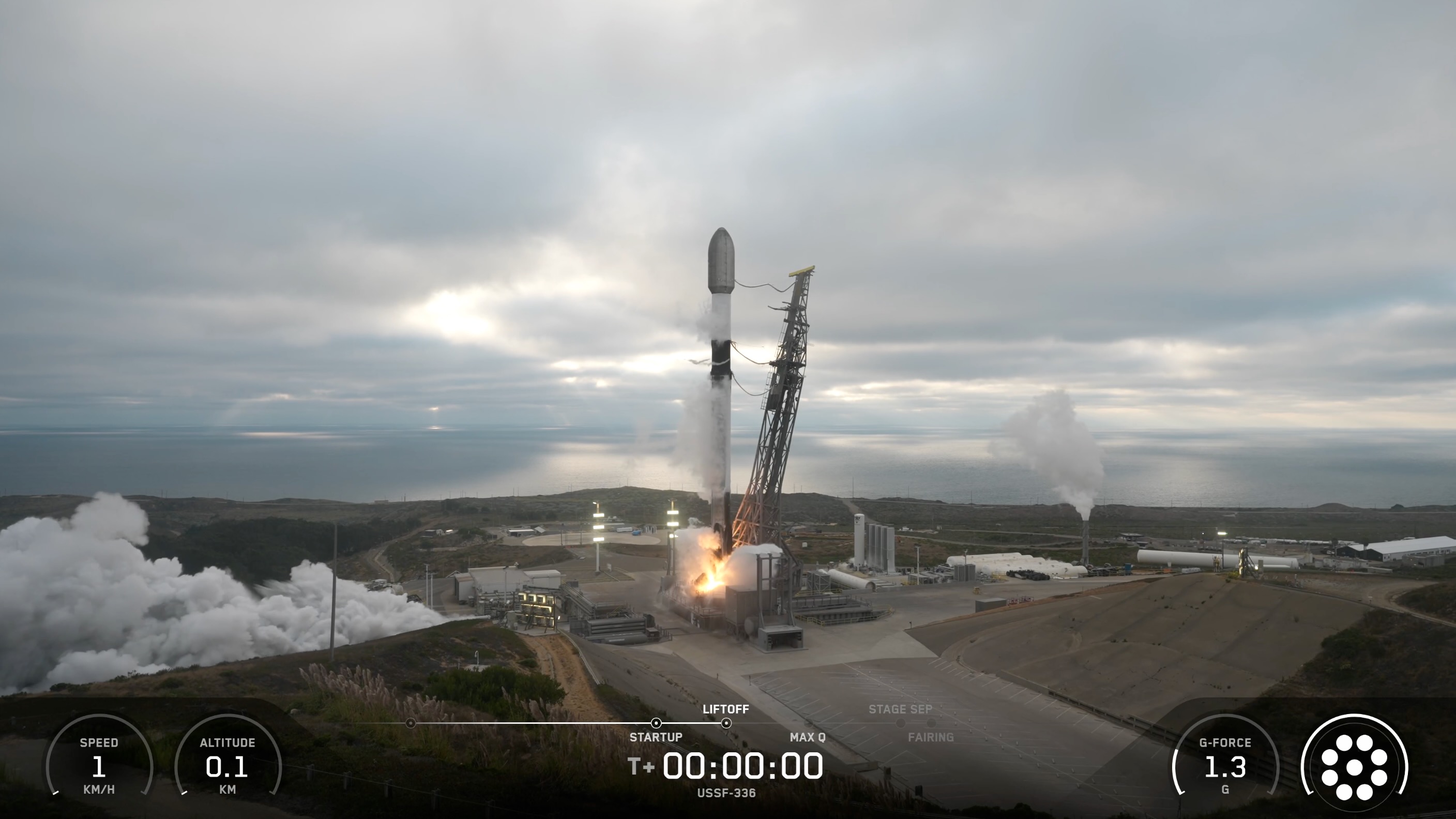
In a jaw-dropping display of aerospace precision, SpaceX pulled off what many thought was impossible — launching two Falcon 9 rockets from opposite coasts of the United States in a single evening. The back-to-back missions, which lit up the skies over California and Florida on August 15, 2026, have sent the internet into a frenzy and made "SpaceX Falcon 9 rocket launch" one of the top trending searches across Google.
For space enthusiasts and casual observers alike, this was not just another launch day. It was a historic moment that underscored why SpaceX continues to dominate the global space industry.
Mission 1: USSF-366 — A Classified Payload for the US Space Force
The first act of this space doubleheader began on the West Coast. At 6:50 p.m. PDT (9:50 p.m. EDT), a Falcon 9 rocket roared to life from Space Launch Complex 4E (SLC-4E) at Vandenberg Space Force Base in California. The mission, designated USSF-366, carried a classified payload for the United States Space Force.
While details about the payload remain under wraps, space analysts believe the mission likely deployed a batch of classified low-Earth orbit satellites built on SpaceX's Starshield satellite bus. The trajectory and rocket stage drop zones closely matched previous Starlink Group 15 launches, hinting at the payload's orbital destination.
The Falcon 9 first-stage booster, tail number B1088, was making its 18th flight — a testament to SpaceX's industry-leading reusability program. Approximately 8.5 minutes after liftoff, the booster successfully touched down on the droneship "Of Course I Still Love You" stationed in the Pacific Ocean.
Mission 2: Globalstar 2-R — Lighting Up the Florida Sky
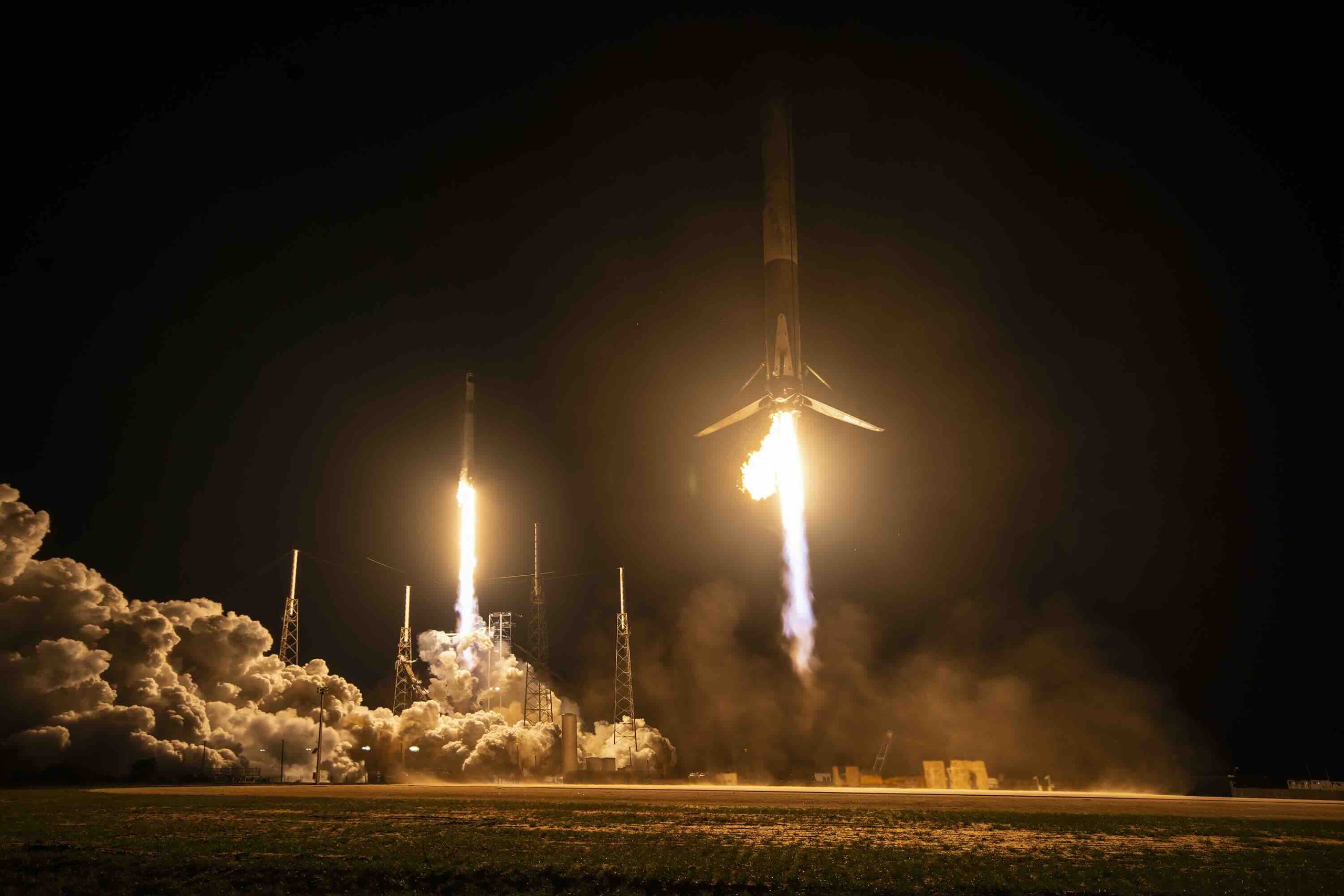
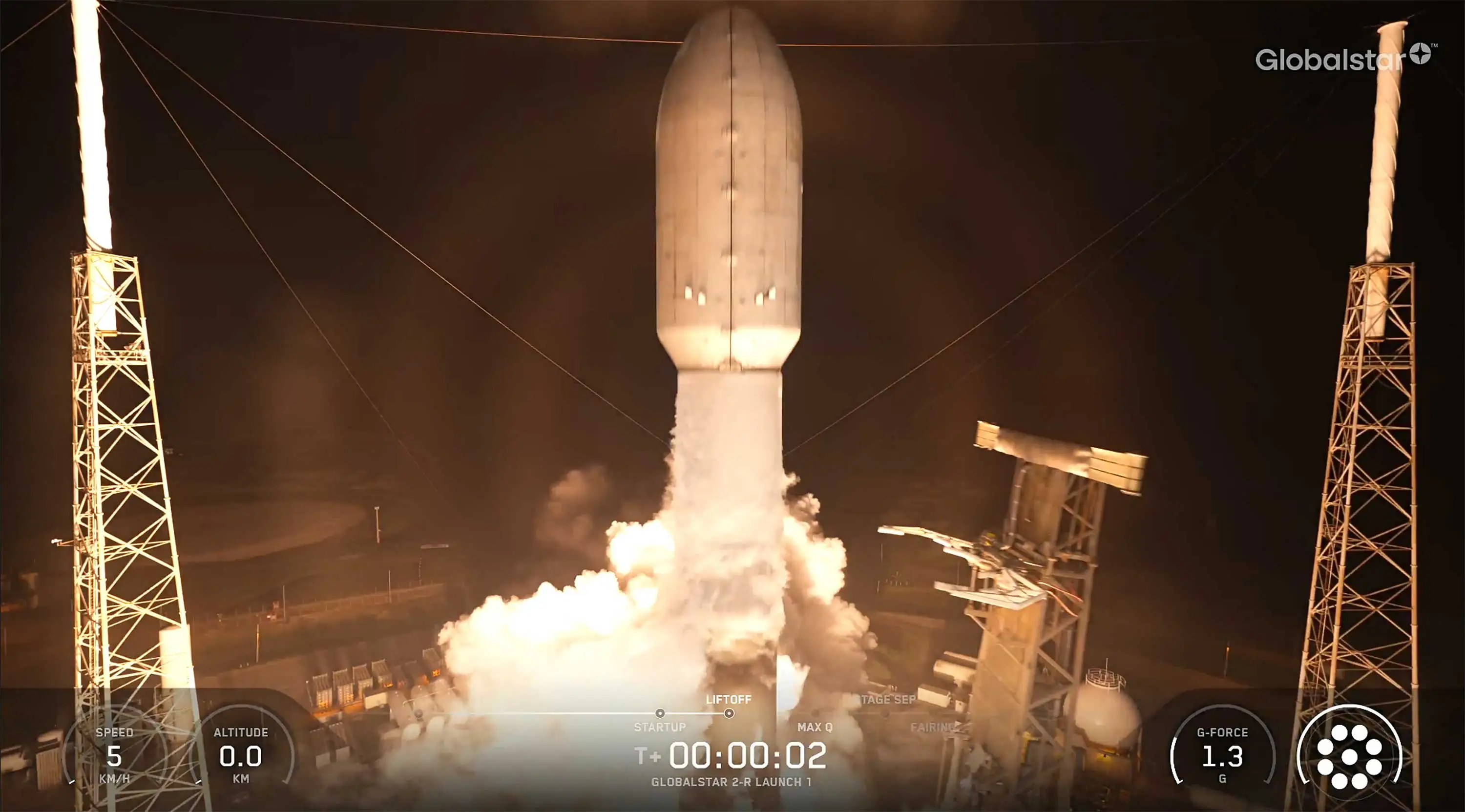
While the West Coast was still celebrating the first landing, SpaceX teams on the East Coast were counting down to an even more dramatic launch. At 9:12 p.m. EDT (0112 UTC on August 16), a second Falcon 9 lifted off from Space Launch Complex 40 (SLC-40) at Cape Canaveral Space Force Station in Florida.
This mission, known as Globalstar 2-R Launch 1, carried nine new HIBLEO-4 satellites for Globalstar, the Louisiana-based satellite communications company. These satellites will replenish Globalstar's existing low-Earth orbit constellation, which provides global voice, data, and fax services from an altitude of approximately 1,410 kilometers.
The Falcon 9 booster for this mission, tail number B1090, was flying for the 14th time. In a spectacular return-to-launch-site landing, the booster touched down at Landing Zone 40 (LZ-40) at Cape Canaveral just eight minutes after liftoff. Residents across Central Florida reported hearing the sonic boom as the rocket descended through the atmosphere.
Why Two Launches in One Day Is a Big Deal
Launching two orbital-class rockets within hours of each other is not just rare — it is practically unheard of in modern spaceflight. Before SpaceX, no commercial company had ever attempted such a rapid turnaround from two different launch facilities.
The achievement highlights several key advantages SpaceX holds over its competitors:
- Reusability: Both missions used flight-proven boosters. B1088 was on its 18th flight, and B1090 was on its 14th. This dramatically reduces launch costs.
- Operational Scale: SpaceX now operates launch facilities on both US coasts with the infrastructure to support simultaneous campaigns.
- Reliability: The Falcon 9 has become the most trusted rocket in the world, with a success rate that makes rapid launches feasible.
With these two missions, SpaceX has now launched more than 90 Falcon 9 rockets in 2026 alone, putting the company on track to shatter its own annual launch record.
What Is Globalstar and Why Does It Matter?
For readers unfamiliar with satellite communications, Globalstar operates a constellation of low-Earth orbit satellites that provide mobile voice and data services in remote areas where traditional cell towers do not reach. Think hikers in the Rocky Mountains, ships in the Atlantic, or emergency responders in disaster zones.
The new HIBLEO-4 satellites launched on August 15 will replace aging spacecraft in the constellation and improve coverage for millions of users worldwide. Globalstar contracted with MDA for the construction of 17 new second-generation refresh satellites, with Rocket Lab building the satellite buses and dispensers.
What's Next for SpaceX?
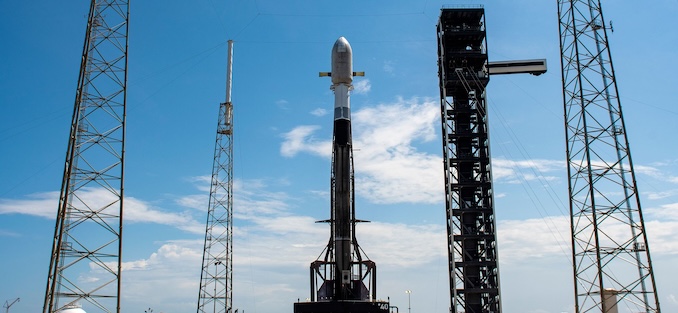
SpaceX is not slowing down. According to the company's launch manifest, several more Falcon 9 missions are scheduled before the end of August 2026:
- August 18/19: Starlink 17-50 mission from Vandenberg with 24 satellites
- August 20: Starlink 10-39 mission from Cape Canaveral with 29 satellites
- August 22: Starlink 15-20 mission from Vandenberg with 27 satellites
- August 30: NASA's Nancy Grace Roman Space Telescope aboard a Falcon Heavy from Kennedy Space Center
Perhaps most exciting for space fans is the upcoming Starship Flight 14, the 14th test flight of SpaceX's next-generation super-heavy launch vehicle, currently targeting early September 2026.
How to Watch Future SpaceX Launches
If you missed the August 15 doubleheader, do not worry — SpaceX streams nearly all of its launches live on its official website and YouTube channel. For the most accurate schedules, space enthusiasts also rely on Spaceflight Now and NASASpaceflight for real-time coverage and expert commentary.
Pro tip: If you live on Florida's Space Coast or near Vandenberg in California, check local launch schedules. Many Falcon 9 launches are visible to the naked eye from miles away, and return-to-launch-site landings often produce dramatic sonic booms that rattle windows.
Frequently Asked Questions
How many Falcon 9 rockets did SpaceX launch on August 15, 2026?
SpaceX launched two Falcon 9 rockets on August 15, 2026 — the USSF-366 classified mission from California and the Globalstar 2-R satellite mission from Florida.
What time did the SpaceX launches happen?
The first launch (USSF-366) lifted off at 6:50 p.m. PDT / 9:50 p.m. EDT from Vandenberg. The second launch (Globalstar) followed at 9:12 p.m. EDT from Cape Canaveral.
Did both Falcon 9 boosters land successfully?
Yes. Booster B1088 landed on the droneship Of Course I Still Love You in the Pacific, and Booster B1090 landed at Landing Zone 40 at Cape Canaveral.
What was the payload on the Globalstar mission?
The mission carried nine HIBLEO-4 satellites to replenish Globalstar's low-Earth orbit communications constellation.
When is the next SpaceX launch?
The next scheduled Falcon 9 launch is the Starlink 17-50 mission from Vandenberg on August 18, 2026.
Final Thoughts
The August 15 double launch was more than just a technical achievement. It was a statement. SpaceX has transformed spaceflight from a rare, government-only activity into a routine, high-frequency operation. For Americans watching from their backyards in Florida and California, it was a powerful reminder that the United States remains the global leader in space exploration.
Did you watch the launches live? Let us know in the comments below which mission impressed you more — the secretive Space Force payload or the blazing Globalstar liftoff from Cape Canaveral.
Topics: SpaceX Falcon 9 Rocket Launch, SpaceX Double Launch, USSF-366, Globalstar 2R Mission, Cape Canaveral Launch, Vandenberg Launch, SpaceX Booster Landing, Space News 2026, Trending Space News, US Space Force


Comments
Post a Comment